
3 minute read
Product pricing strategy expert Jon Gatrell explains the importance of having a dedicated team to oversee product pricing in any organization.
What is product pricing strategy?
A product pricing strategy is a structured approach to setting prices that reflect market conditions, competitor positioning, internal costs, and customer value. It also defines who owns pricing decisions across the organization, from strategy through execution.
And, in theory, setting a product pricing strategy should be simple. You look at your product, compare it to your competitors, and set a price. Easy, right? In reality, product pricing is much more complicated. Companies should consider internal and external factors when deciding a product’s price.
Beyond that, deciding who is responsible for product pricing is critical to a strong pricing strategy. Product management and pricing expert Jon Gatrell shares why companies should have a designated owner overseeing product pricing strategy.
Read on to learn more about product pricing or use the links below to jump to the section that interests you:
What Is Product Pricing and Why Does It Matter?
Simply put, product pricing is the process of setting a price for a product or service. A product pricing strategy should consider the product itself, competitors’ products and pricing, market conditions, and the customer’s willingness to pay. By balancing these factors, companies can set product prices that are accurate, fair, and ideally ethical.
Who Should Own Product Pricing Strategy in an Organization?
Product teams typically have responsibility for product pricing. Product managers may set product pricing or collaborate with other teams to align on product pricing. Teams with a say in product pricing often include Sales, Marketing, or higher-level teams and stakeholders. These teams should consider how external factors such as market conditions, competitor pricing, production costs, and government regulations affect product pricing strategy.
It’s not enough to decide who oversees product pricing. Knowing that someone truly owns it from the beginning of the process to the end is essential. Having a dedicated product pricing strategy owner ensures that there will always be someone to follow up with and hold accountable. Having a single owner, however, is aspirational at best. Setting price is just one part of the process: it’s not the finish line. Pricing is about setting a strategy based on understanding the market and your competitors and developing policies and processes to govern and monitor pricing. Product teams, executive teams, and operational groups must all participate if your pricing strategy is to be successful.
How to Set an Effective Product Pricing Strategy
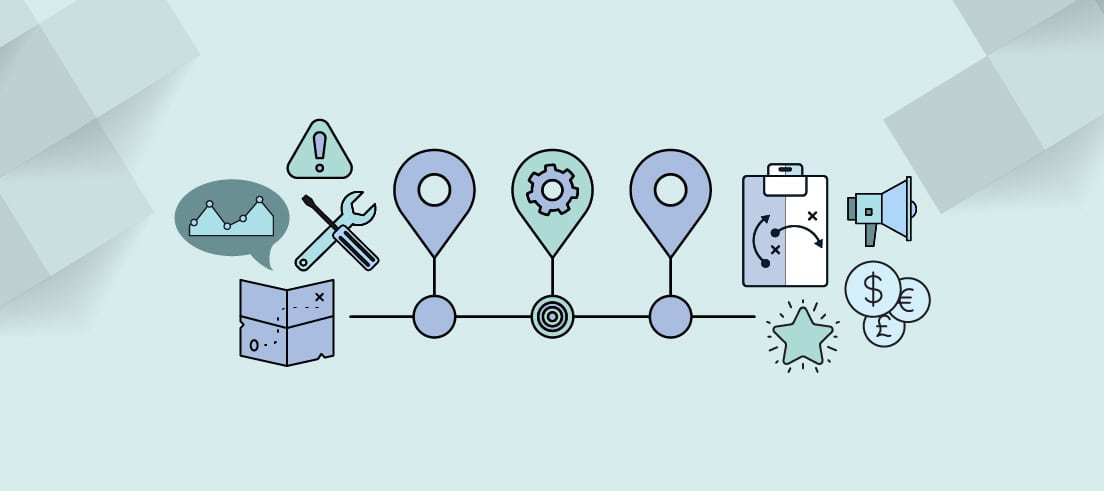
There are as many approaches to pricing as there are companies. A lot of it has to do with an organization’s size, maturity, and strategic approach. In all cases, one of the first steps is to map out pricing methodologies and models. The business plan typically outlines what packaging, pricing, and business models the company will use to achieve the forecasted results and support corporate goals.
Key Factors That Influence Product Pricing Decisions
Equally important is understanding the buyers’ problems we’re solving. Delivering a market-viable price point and approach requires insight and confirmation from the market. Product teams are often best equipped to provide pricing insights through market validation and iterative interactions. However, that product team may not determine the price. A committee, finance department, or even sales team may ultimately be the final decider.
Pricing is a team sport. It requires involving executives in strategy, product teams in business planning and opportunity analysis, development in problem-solving, and sales in engaging buyers. Although the product team should be centrally involved in mapping the first steps—and perhaps own one or more steps in the process—the continuum from strategy to execution creates complexity that is managed best with a team approach.
What Cross-Functional Teams Are Involved in Product Pricing?
If pricing is a team sport, who belongs on the team? While one team may be accountable, effective pricing decisions require collaboration across the organization. Common contributors include:
- Product Management
Typically responsible for defining pricing strategy in the context of market problems, competitive positioning, and customer value. Product managers often coordinate inputs across teams and ensure pricing aligns with overall product strategy.
- Sales
Provides frontline insight into buyer reactions, deal friction, discounting pressure, and objections tied to price. Sales input is critical for understanding how pricing performs in real buying situations.
- Marketing
Helps position price in the market, ensure messaging reflects value (not just cost), and supports packaging and differentiation decisions that influence perceived value.
- Finance
Brings cost structures, margin targets, revenue goals, and financial risk considerations into pricing decisions. Finance often plays a key role in governance and approval.
- Executive Leadership
Sets strategic direction and ensures pricing aligns with corporate objectives, growth targets, and long-term business strategy—especially for high-impact or high-risk pricing changes.
- Operations or Legal (as needed)
May contribute when pricing is affected by regulatory requirements, contracts, compliance, or operational constraints.
This shared involvement reinforces why clear pricing ownership and accountability are essential, even in a cross-functional environment.
Frequently Asked Questions About Product Pricing Ownership
These are some of the most commonly asked questions product professionals have about who owns product pricing.
Who owns pricing strategy in most companies?
Usually, product management leads pricing strategy, with input from sales, marketing, and finance.
Why does pricing strategy matter?
It impacts revenue, customer perception, competitiveness, and margin performance.
What factors influence pricing decisions internally?
Strategy, costs, goals, org structure, and team alignment all play a role.
Should one person or team own pricing?
Ideally, yes. A clear owner ensures accountability and prevents pricing from being reactive or fragmented.
How often should product pricing be reviewed?
There is no exact timeframe that fits every product or company, but pricing decisions should be reviewed regularly, especially during product updates, market shifts, or strategic changes. Pricing isn’t a one-time decision.
A Final Word On Who Owns Pricing
Remember, no matter who owns pricing, systems, processes, and metrics, they are needed to monitor and gauge effectiveness. Your product’s perceived value can change based on where the market is in adoption, the influence of competitors, and the dynamics of an evolving product. Monitoring helps you understand the value you deliver to the market; everyone must own that.
More product pricing resources:
- Instacart’s AI Pricing Controversy: Why Perceived Fairness Is Vital
- Are AI Pricing Algorithms an Opportunity or Risk?
- Pricing Strategy for Product Teams