4 minute read
You can use product launch tiers to allocate launch resources based on the expected business and market impact of the product. This article goes into detail about product launch tiers and how to utilize them.
Companies with large product portfolios can face a dizzying pace of product launches. Between minor updates, feature releases, and new products, the number of launches product teams need to manage can quickly become overwhelming. Realistically, though, not every product update requires the same level of support and resources that a full-blown new product launch does. What you need is a rational and organized way to prioritize and allocate product launch resources.
Let’s talk about how you can use product launch tiers to allocate launch resources based on the expected business and market impact of the launch.
Using Product Launch Tiers to Manage Launch Resources
As a product manager or product marketing manager, you face a laundry list of decisions with every single launch. One of the most important decisions is how to allocate product launch resources to support the success of the launch. The more products you have, or the fewer your resources, the more important this decision becomes. How can you support each product to the best of your ability in these environments? Product launch tiers.
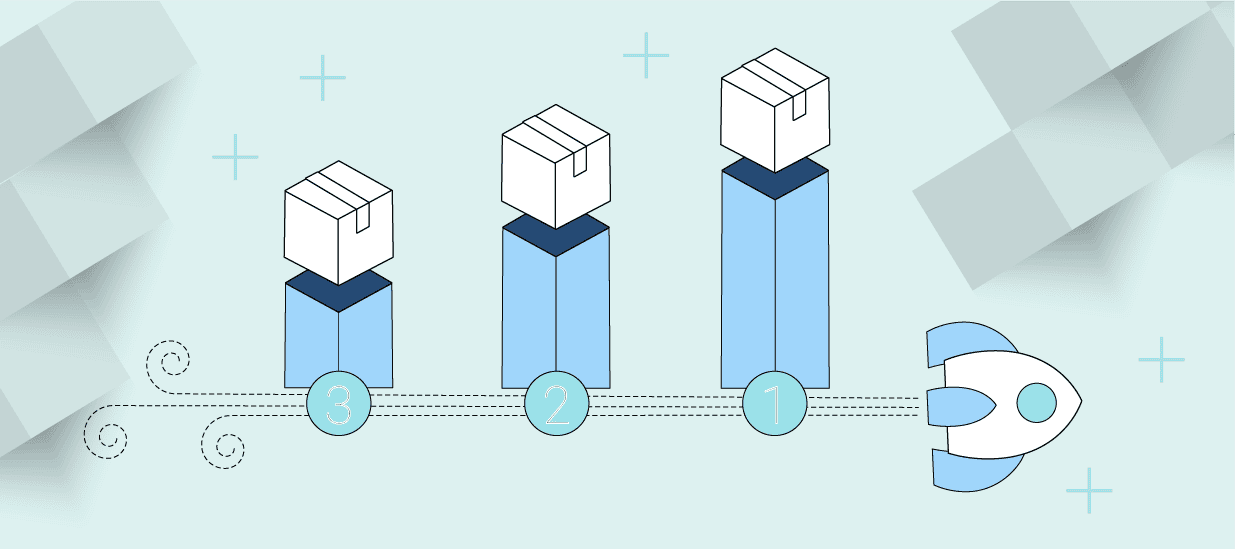
A great way to prioritize resources is to categorize product launches into product launch tiers. One way to do this is to prioritize product launches based on the expected impact they are likely to have in the market and their projected business impact. Products that are expected to have a larger impact get more launch resources. Products expected to have a lower impact get fewer launch resources.
The simplest way to do this is to establish product launch tiers and categorize your product launches accordingly.
Tier 1 Product Launch
Products that are expected to have the most impact are classified as tier 1 product launches. These launches are less frequent but they have a significant strategic impact on your organization. A tier 1 product launch might include new product categories or introducing a new acquisition. The theme of products in this category is that they represent a significant change or moment for the business.
Because of the potential these products have, they warrant more resources upon launch.
Examples of a Tier 1 Product Launch: Apple’s iPhone or HealthCare.gov.
Tier 2 Product Launch
Tier 2 product launches are expected to have less of an impact on the market and business than products in tier 1. They are still important to your business goals but represent smaller leaps in product development and, therefore, smaller business and market impact. Tier 2 products often represent incremental improvements over entirely new products. You want to make some noise in the market, but not the extensive promotional efforts reserved for tier 1 products.
Fewer resources are dedicated to supporting product launch tier 2, but products in this category still receive some support.
Examples of a Tier 2 Product Launch: Apple iPhone 5S.
Tier 3 Product Launch
Tier 3 product launches have the lowest priority and is reserved for products that are expected to have minimal, if any, business or market impact. Products that might fall in this category are incremental in nature, like a maintenance release of a product that is intended for the established customer base. In this situation, the release isn’t going to add revenue, but it is important for the upkeep of the product and satisfaction of customers.
Apart from general communications, resources aren’t typically required for tier 2 product launches.
Examples of a Tier 3 Product Launch: Apple IOS 8.1.
Exceptions to Product Launch Tiers
Categorizing products into tiers to prioritize resources for launches is an organized way to handle things, but there are exceptions. It’s important to use discretion when determining launch priorities. Let’s look at a couple of examples of when a product may be in one category, but due to circumstances, it warrants more or less resources when it launches.
Let’s say you are an SaaS-based company and are planning for future growth. You’ve decided to add instrumentation to your application in order to offer better customer support. This would have a low market impact, and it would have a relatively low business impact today, although it might have a greater impact in the future. We could rationalize this as a tier 3 product launch.
Now, let’s say that you’re the same company, but you’re struggling with severe customer retention problems. You’ve completed many customer visits to understand the issue, but the problem is due to issues in the application that are difficult to identify. To help better identify the problems and reverse churn, you’ve decided to add instrumentation. In this situation, we could rationalize a tier 1 product launch. This is because although the market impact would be low, its potential to have a significant impact on churn could have a high business impact.
Although the same instrumentation is added to the application in both scenarios, it was added for different business reasons and is expected to have a different impact. The same amount of development time went into creating the product, but only the expected outcome changed.
In other words, when categorizing products into tiers, the amount of development effort does not automatically determine the launch priority. Market and business impact are the drivers that determine the launch priority, coupled with a dose of reality.